

How Parents Can Support Gender Awareness and Equality at Home
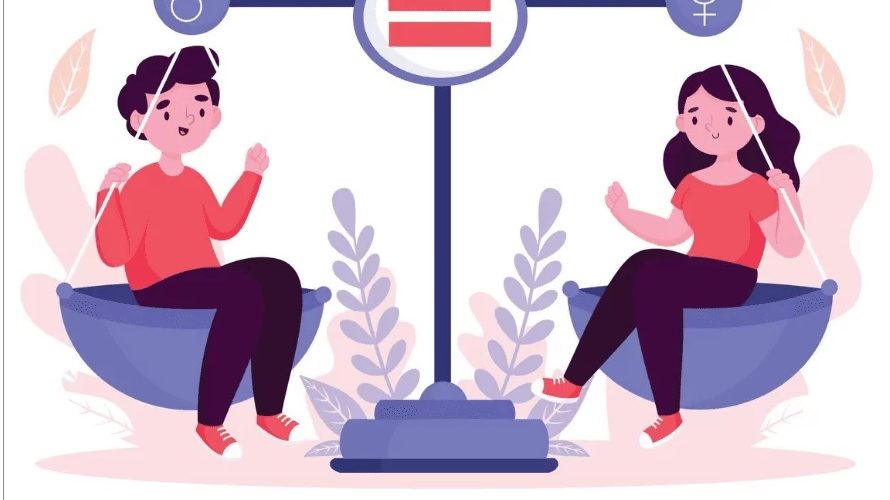
In today’s evolving world, raising children who understand and value gender equality is one of the most important responsibilities parents have. Gender awareness and equality aren’t abstract concepts but practical daily values that shape how children understand themselves, interact with others, and contribute to society. Yet many parents feel uncertain about how to address these topics—whether they’re equipped to discuss gender, worried about controversial issues, or uncertain what equality actually means in practical terms.
At Mentor International School in Hadapsar, we believe that homes are the primary spaces where children develop understanding about gender, identity, and equality. Our partnership with families in fostering gender awareness reflects our commitment to preparing students who respect all people, understand gender as a spectrum of human diversity rather than rigid categories, and work toward genuine equality in all relationships and contexts.
Understanding Gender Awareness and Equality
Before exploring practical parenting approaches, it’s important to clarify what we mean by gender awareness and equality.
Gender awareness: Understanding that gender exists as a complex phenomenon encompassing biological sex, social roles, cultural expectations, personal identity, and individual expression. It’s recognizing that gender affects people’s experiences, opportunities, and treatment.
Gender equality: The principle that all people deserve equal rights, opportunities, respect, and treatment regardless of gender. It’s not about erasing differences but about ensuring differences don’t create hierarchy or disadvantage.
Gender roles: Societal expectations about how people of different genders should behave, dress, work, and interact. These vary across cultures and time periods.
Gender stereotypes: Oversimplified, often inaccurate generalizations about what all members of a gender are like or should be like.
Strong gender awareness and commitment to equality benefit all children:
For girls: Understanding that they deserve equal opportunities, equal respect, equal voice. Rejecting limiting stereotypes about what girls can achieve or should be.
For boys: Understanding that they can express emotions, pursue diverse interests, and value relationships without their manhood being questioned. Rejecting narrow definitions of masculinity.
For all children: Developing respect for all people regardless of gender. Understanding how gender inequality affects society. Becoming capable of building equitable relationships.
Research demonstrates that children raised with strong gender equality values show better mental health, healthier relationships, greater academic engagement across genders, and become adults who contribute to more equitable societies.
Building Gender Awareness Through Language and Messaging
Language shapes thinking. The words we use and the messages we communicate powerfully influence how children understand gender.
Start by becoming conscious of the language you use:
Gendered assumptions: Notice when you make assumptions based on gender. Do you say things like “Boys don’t cry,” “Girls are naturally better at…,” or “That’s not very ladylike/manly”?
Gendered toys and activities: When you say things like “That’s a boy toy” or “That’s not something girls do,” you reinforce limiting stereotypes.
Appearance focus: When you comment more on girls’ appearance than their abilities or intelligence, you communicate what matters most.
Career and interest stereotyping: When you steer children toward “gender-appropriate” activities and careers, you limit their possibilities.
Emotional expression rules: When you tell boys not to cry but allow girls to be emotional, you teach harmful messages about emotional expression.
Once you notice these patterns, start changing them consciously. This awareness is the first step toward modeling more inclusive language.
Deliberately use language that challenges stereotypes:
Avoid gendered generalizations: Instead of “Boys are naturally better at math,” say “Everyone’s brain is different; some people find math easier than others.”
Question stereotypes: When children express stereotypical ideas, ask questions: “Do you think all girls like princesses?” “Are there any boys who like dancing?”
Describe people neutrally: Use descriptions that don’t overemphasize gender where irrelevant: “The doctor” rather than “The lady doctor,” “The nurse” rather than “The male nurse.”
Expand possibilities: “Some people who are parents work outside the home; some stay home; some do both. What do you think you might want to do?” rather than imposing gender-specific expectations.
Acknowledge diverse interests and abilities: “You’re really interested in building; I know lots of people who build, of all genders.”
Use inclusive pronouns: When talking about people in general, use “they” rather than defaulting to “he.”
Beyond specific language, examine the overall messages you communicate:
What matters is your child matters: Communicate genuine interest in your child’s thoughts, feelings, interests, and ideas—not their conformity to gender expectations.
Capabilities matter more than appearance: Emphasize what children can do, achieve, and contribute more than how they look.
All emotions are valid: Help all children express and process emotions healthily rather than suppressing certain emotions.
Relationships are about equality: In your own relationships, model respect, shared decision-making, and equality rather than hierarchy based on gender.
Difference doesn’t mean inferior: Celebrate that different people—including those of different genders—bring different strengths and perspectives.
Countering Gender Stereotypes in Media and Culture
Children are constantly exposed to gendered messages through media, toys, marketing, and cultural narratives. Parents can help children think critically about these messages.
Teaching Media Literacy About Gender
Help children analyze gendered media messages:
Notice representation: “Who are the main characters in this story? What are the men doing? What are the women doing? Are they doing different things? Why do you think that is?”
Analyze toy marketing: Look at toy advertisements together. “Why do you think they show mostly girls playing with that toy? Do you think only girls like that? Why do they think people will buy it if they show only girls?”
Examine professional representation: “In this show, who are the doctors? Who are the nurses? Do you think that’s how it works in real life?”
Identify limiting messages: “What messages is this showing about what girls should be? What messages about boys? Do you agree with those messages?”
Find counter-examples: “I know women who are powerful leaders. I know men who are nurses. I know girls who are great at science. I know boys who are amazing dancers.”
This critical viewing develops children’s ability to consume media thoughtfully rather than passively accepting stereotypical messages.
Providing Diverse Books and Media
Actively choose books and media featuring diverse gender expressions and role models:
Books with strong female characters who are leaders, adventurers, problem-solvers, scientists, builders—not just romantic interests or secondary characters.
Books with sensitive male characters who express emotions, care for others, have vulnerabilities, pursue diverse interests.
Books depicting diverse professions and roles with women as CEOs, scientists, politicians, and men as teachers, nurses, caregivers.
Stories from diverse cultures showing different approaches to gender roles and expectations.
When children see diverse representations in media, they expand their understanding of what’s possible for people of all genders.
Supporting All Children’s Interests and Expression
True gender equality means allowing all children to pursue their genuine interests and express themselves authentically, regardless of whether these align with gender stereotypes.
Whatever your child is interested in, encourage it:
If your daughter loves building, sports, or science: Celebrate that enthusiasm. Provide materials, opportunities, and encouragement. Connect her with role models in these fields.
If your son loves arts, dance, or nurturing: Support that interest fully. Help him find communities of like-minded people. Validate that these interests don’t make him “less manly.”
If your child doesn’t fit gender stereotypes: Whether through interests, appearance, or self-expression, support their authenticity. Let them know that being different from gender stereotypes is fine.
If your child experiments with different interests: Allow that natural exploration. Children’s interests change; that’s healthy development.
Support based on interest, not gender restrictions, ensures children develop into their authentic selves rather than conforming to external expectations.
Allow children to express themselves across the gender spectrum:
Clothing choices: Let children choose clothing they like rather than forcing “gender-appropriate” choices. If your son wants to wear pink or a dress, if your daughter wants to wear only athletic wear, support that.
Hair choices: Allow children to choose hairstyles they like rather than enforcing gendered expectations.
Interests in “opposite gender” activities: Support fully whether your daughter wants to play football or your son wants to do ballet.
Self-identification: If your child expresses gender identity that differs from their biological sex or seems to move along a spectrum, listen respectfully and seek to understand their experience.
Creating safety for authentic self-expression teaches children that their authentic self is acceptable and worthy of respect.
Teaching Respect and Equality in Relationships
How children see relationships modeled in their homes profoundly influences how they build their own relationships.
Modeling Healthy Relationships
In your own relationships (whether romantic, family, or friendships), model equality:
Shared decision-making: Don’t automatically defer to one person’s preferences. Make decisions together, with both people’s perspectives valued.
Respect for autonomy: Support each other’s individual interests, careers, friendships, and decisions. Don’t expect one person to subsume their identity into another’s.
Emotional expression: Both partners/family members express emotions, ask for support, and provide comfort. Emotional expression isn’t gendered.
Household responsibilities: Share fairly without defaulting to gendered divisions (women doing all domestic work, men controlling finances). Divide based on preference and capability.
Conflict resolution: Address disagreements respectfully. Both people’s perspectives matter. Resolve issues collaboratively rather than through dominance or aggression.
Equal voice: Both people have meaningful input into decisions affecting them. Neither person dismisses or overpowers the other’s perspective.
When children see equality modeled in relationships, they internalize that this is normal and expected.
Teaching Consent and Boundaries
One of the most important gender equality lessons is teaching about consent and boundaries:
Bodily autonomy: Children own their bodies. They don’t have to hug relatives if they don’t want to. Their “no” is respected.
Asking permission: Teach children to ask before hugging, sitting near, or touching others.
Respecting “no”: When anyone says no—to physical affection, activities, or anything else—that no is respected immediately without argument or guilt-tripping.
Understanding sexual harassment and assault: Help children understand what these are, that they’re never okay, and that they deserve support if they experience them.
These lessons protect all children and establish foundations for relationships based on genuine consent and equality.
Teaching Respect Across Differences
Help children understand and respect people of all genders:
Perspective-taking: Discuss how gender affects people’s experiences differently. “Do you think your friend who is a girl experiences school differently than you? Why might that be?”
Listening to different perspectives: When you disagree with someone or don’t understand their perspective, listen genuinely rather than dismissing them.
Recognizing systemic inequality: Help children understand that inequality isn’t just about individual choices but about systems and structures. Discuss why certain groups have more power or privilege.
Standing against injustice: Model and teach that when you see inequality or unfair treatment based on gender, you speak up and take action.
Working toward change: Engage children in conversations and actions toward more equitable systems and structures.
Addressing Difficult Topics Age-Appropriately
Parents often worry about discussing gender equality with children. These conversations should happen naturally and age-appropriately throughout childhood, not as big dramatic talks.
Focus on basic concepts:
- “Girls and boys are different on the outside, but people of any gender can like any kinds of activities and have any kind of job.”
- “Everyone deserves kindness and respect, no matter if they’re a boy or girl.”
- “You get to choose what you like. It’s okay if you like things other kids your age don’t like.”
- Answer questions about bodies matter-of-factly. Use correct terminology.
Provide diverse books and media showing people of all genders doing diverse things.
For Middle Childhood (Ages 7-12)
Introduce more complex concepts:
- Gender roles are created by societies and can change.
- Different cultures have different ideas about gender.
- Gender stereotypes aren’t fair; they limit people’s options.
- Everyone deserves respect regardless of gender.
- Boys and girls might have different experiences at school or in society.
Help them think critically about media, marketing, and cultural messages about gender.
Point out discrimination when you encounter it and discuss why it’s wrong.
Address topics with increasing sophistication:
- Systemic inequality and how gender intersects with race, class, and other identities.
- Sexual harassment, assault, and consent in increasingly explicit ways.
- How media and culture shape gender expectations and stereotypes.
- Career and relationship possibilities beyond traditional gender roles.
Maintain non-judgmental curiosity when your teen expresses ideas about gender or identity that surprise you..
If your child faces discrimination based on gender:
- Believe them
- Validate their experience
- Help them understand it’s not their fault
- Support them in processing emotions
- Take action (talking to teachers, school administration)
- Help them develop resilience and advocacy skills
If your child expresses stereotypical ideas or treats someone unfairly based on gender:
- Stay calm and avoid shaming
- Help them understand the impact of their words/actions
- Discuss where that idea came from (peer group, media, family?)
- Explain why that idea is inaccurate or harmful
- Help them make amends if someone was hurt
- Discuss how to do better next time
Treating these as learning opportunities rather than moral failings helps children develop understanding rather than defensiveness.
Mentor International School’s Partnership with Families
At Mentor International School in Hadapsar, we recognize that gender awareness and equality education require strong home-school partnership.
At MIS, we:
- Use inclusive language free of gender stereotypes
- Provide curriculum representing diverse genders and breaking stereotypes
- Ensure all students have opportunities across all academic areas and activities
- Teach explicitly about gender equality and respect
- Challenge gender-based bullying and discrimination
- Support students’ authentic self-expression
We partner with parents through:
- Communication about our gender equality approach
- Resources helping families support gender awareness at home
- Workshops and discussions about raising children with gender equality value
- Creating shared expectations around respectful treatment regardless of gender
Conclusion: Raising the Next Generation of Equality Advocates
Gender awareness and equality aren’t political or controversial—they’re about fundamental respect for all people and ensuring everyone has genuine opportunity to be their authentic selves and contribute their gifts.
When you support gender awareness and equality at home by:
- Examining and changing your own language and assumptions
- Helping children think critically about gendered media messages
- Encouraging your children’s authentic interests regardless of gender stereotypes
- Modeling and teaching respectful, equal relationships
- Creating safety for authentic self-expression
- Having age-appropriate conversations about gender and equality
- Taking action against discrimination
You’re raising children who will build more equitable families, workplaces, and communities. You’re developing the next generation of leaders who value all people regardless of gender, who respect themselves and others, and who work toward justice and equality.
At Mentor International School in Hadapsar, we invite you to partner with us in this important work. Visit our school, experience our inclusive community, and discover how we support all students in developing authentic selves and respecting all people.
Contact Mentor International School today to learn more about how we support gender awareness and equality in our educational community and how we can partner with your family in raising children who value respect, equality, and authentic self-expression for all people.
Together, we’re preparing the next generation to build a more just, equitable, and respectful world where all people—regardless of gender—can flourish and thrive.
