

How Modern Classrooms Are Changing Education: The Mentor International School Experience
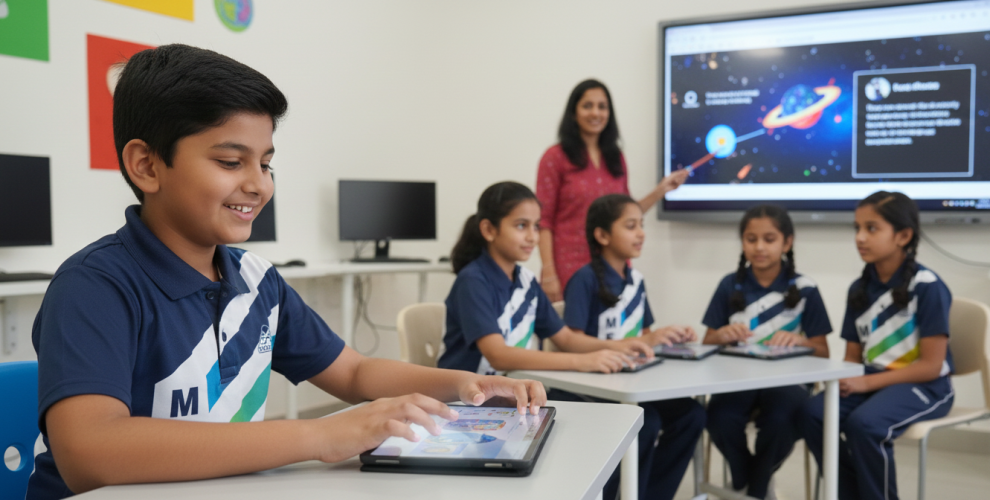
Education has entered a new era where traditional methods blend seamlessly with technology to create dynamic learning environments. Modern classrooms are not just about enhanced tools—they represent a fundamental shift in how students engage with knowledge, skills, and each other. A prime example of this transformation is Mentor International School, which has embraced modern educational trends to revolutionize the classroom experience for its students.
At Mentor International School, technology integration is at the heart of its modern classroom model.
- Interactive Digital Platforms: Classrooms utilize smart boards and tablets, enabling teachers to deliver interactive lessons that engage students visually and tactically. For instance, science subjects include virtual labs where students can experiment without physical limitations.
- Hybrid Learning Framework: Recognizing diverse learning needs, the school offers blended learning options—students alternate between in-person sessions and online classes hosted on secure platforms. This ensures continuous learning flexibility and access to recorded materials.
- Resource Hubs: Mentor International School’s digital library aggregates textbooks, research papers, and multimedia resources accessible anytime, facilitating self-directed study beyond classroom hours.
By embedding these tools, Mentor International School transforms every lesson into an opportunity for immersive, personalized learning.
Personalization and Data-Driven InsightsMentor International School adopts personalized learning paths supported by data analytics.
- Teachers monitor individual progress through learning management systems that highlight strengths and weaknesses in real time.
- Adaptive software customizes assignments and quizzes, so students who master concepts quickly can explore advanced topics, while others receive targeted practice.
- Students are encouraged to select projects aligned with their interests, nurturing intrinsic motivation and deeper understanding.
This approach exemplifies how modern classrooms can cater to varied learner profiles, ensuring no student is left behind.
Fostering Collaboration and Global Connections
The school emphasizes collaborative learning, both locally and internationally.
- Classroom activities often incorporate group projects that mimic real-world scenarios, promoting teamwork and communication skills.
- Through virtual exchange programs, students collaborate with peers from Partner schools across continents, sharing diverse perspectives and cultural insights.
- Mentors at the school guide discussions that encourage critical thinking and open dialogue instead of passive note-taking.
Mentor International School’s focus on collaboration prepares students for global citizenship in an interconnected world.
Aside from academic mastery, Mentor International School prioritizes skills essential for future careers and life success.
Developing Holistic Skills
- Critical thinking exercises and problem-based learning form core instructional strategies.
- Digital literacy training, including coding and online safety, equips students to navigate the digital landscape confidently.
- Programs in communication, leadership, and emotional intelligence cultivate interpersonal competencies.
This comprehensive curriculum aligns well with the modern classroom’s goal of nurturing adaptable, well-rounded individuals.
Empowering Teachers as Facilitators
At Mentor International School, teachers undergo continuous professional development to harness technology and modern pedagogy effectively.
- Educators function as mentors, coaches, and facilitators, supporting students’ inquiry-driven learning journeys.
- Ongoing training enables teachers to interpret data analytics for informed interventions and to design engaging, technology-infused lesson plans.
- The school culture values teacher collaboration, fostering an environment of shared expertise and innovation.
This investment in teachers reinforces the modern model where human insight complements digital advancement.
Addressing Equity and Accessibility
Mentor International School strives to make modern education accessible:
- The school ensures all students have devices and reliable internet connectivity both onsite and at home.
- Assistive technologies support learners with special needs, creating an inclusive classroom atmosphere.
- Digital resources replace expensive paper textbooks, lowering education costs and improving accessibility.
This commitment highlights how modern classrooms can democratize quality education.
Embracing Real-World Learning and Experiential Education
One of the hallmark features of modern classrooms, as exemplified by Mentor International School, is the integration of experiential learning. Moving beyond textbooks and exams, students engage directly with the world around them through projects, internships, and hands-on activities.
- The school partners with local businesses and organizations to provide students real-world scenarios where theoretical knowledge is applied in practice. For example, social studies classes may include community service projects, while science students participate in environmental conservation initiatives.
- Regular field trips, workshops, and guest lectures expand learning horizons, connecting classroom concepts with practical applications.
- Entrepreneurial labs encourage students to develop innovative solutions to current problems, fostering creativity and business acumen early on.
Such opportunities build not only subject matter expertise but also essential soft skills like leadership, time management, and resilience.
Cultivating a Growth Mindset and Emotional Well-being
Mentor International School recognizes that education is not just about intellectual growth but also emotional and psychological well-being. The modern classroom environment supports the cultivation of a growth mindset, where challenges are embraced as opportunities to learn and improve rather than as obstacles.
- Teachers and counselors work closely with students to develop self-awareness, stress management techniques, and empathy.
- Mindfulness programs and safe spaces allow students to reflect and recharge, encouraging mental health alongside academics.
- The culture of the school promotes peer support and inclusiveness, reducing stigma around asking for help.
By nurturing emotional intelligence, the school prepares students to face 21st-century challenges with confidence and compassion.
Challenges and Continuous Improvement
While Mentor International School leads with progressive classrooms, it also acknowledges ongoing challenges such as maintaining devices, updating software, and balancing screen time. The school regularly solicits feedback from students, parents, and educators to refine its approach and stay aligned with evolving educational demands.
Conclusion
Mentor International School exemplifies how modern classrooms can truly reshape education. By leveraging technology, personalizing learning, promoting collaboration, and fostering holistic growth, it prepares students not only to succeed academically but to thrive in an ever-changing global society.
This school’s journey offers a powerful model for other institutions aiming to transition beyond traditional teaching methods and fully realize the potential of 21st-century education.
The future of education is here—and Mentor International School is at the forefront of this exciting transformation.
