

The Importance of Sports & Fitness in Daily Life for School-going Children
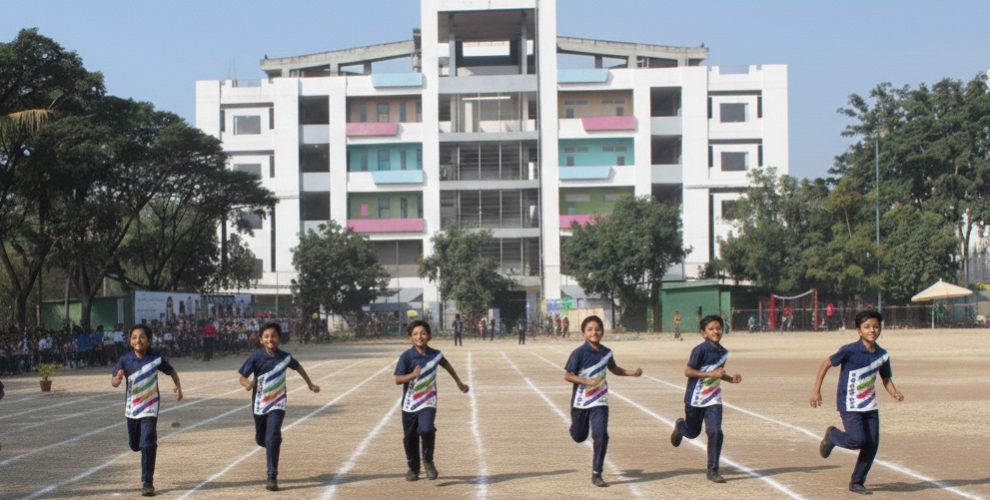
In an era where screens dominate children’s attention and sedentary lifestyles have become alarmingly common, the importance of sports and fitness in daily life cannot be overstated. Physical activity is not merely about keeping children occupied or helping them burn energy—it is a fundamental pillar of healthy development that impacts every aspect of a child’s growth, from physical health and cognitive function to emotional wellbeing and social skills.
At Mentor International School in Hadapsar, we recognize that education extends far beyond textbooks and examinations. Our comprehensive approach to child development places sports and fitness at the core of our curriculum, understanding that physically active children are healthier, happier, more focused, and better equipped to succeed academically and in life.
The Physical Health Foundation
The most immediate and visible benefit of regular sports and fitness activities is improved physical health. Children aged 5-17 should engage in at least 60 minutes of moderate to vigorous physical activity daily, according to the World Health Organization, yet many children fall far short of this recommendation.
Regular exercise helps build strong muscles and bones, improve cardiovascular health, and maintain a healthy weight. During childhood, when bodies are rapidly growing and developing, physical activity supports increased bone density, which is essential for preventing bone-related illnesses like osteoporosis later in life. Furthermore, strength training aids children to develop strong muscles which help protect them from injuries.
Exercising regularly helps improve a child’s cardiovascular health by strengthening the heart and lungs, which improves overall fitness levels and reduces the risk of developing cardiovascular diseases in adulthood. These early habits establish patterns that can last a lifetime, with active children more likely to become active adults.
Physical activities promote a range of fine and gross motor skills that are useful in almost every aspect of a child’s life. Motor skills like hand-eye coordination, running and jumping play an important role in everyday activities, cognitive performance, confidence and more. Activities such as yoga, tai chi, and martial arts help improve a child’s balance and coordination, which are important for everyday tasks like walking, climbing stairs, and playing sports.
Childhood obesity has reached epidemic proportions globally, with serious implications for children’s immediate and long-term health. Meeting recommended levels of physical activity is associated with lower body mass index percentiles for children, helping prevent obesity and reducing the risk of developing chronic diseases such as type 2 diabetes and heart disease.
Schools can counter the trend toward sedentary lifestyles by providing comprehensive physical education and recess programs for children, which becomes more important over time as activity levels generally decline with age. Regular participation in sports and fitness activities helps children develop healthy relationships with exercise that extend throughout their lives.
Cognitive Benefits and Academic Performance
One of the most compelling findings from recent research is the strong connection between physical activity and academic success. Studies show that physically active children are 20% more likely to perform better in their studies, as physical activity boosts brain function and improves concentration.
Physical activity increases blood flow to the brain and promotes new neural connections, assisting children in developing their memory, problem-solving skills, academic performance and stress management. This increased circulation delivers oxygen and nutrients essential for optimal brain function, creating an environment conducive to learning and cognitive development.
Regular physical activity enhances a child’s ability to concentrate for extended periods, providing significant benefits in the classroom. Children who participate in sports demonstrate improved focus, better attention spans, and enhanced ability to retain information—all critical components of academic success.
Time Management and Discipline
Engaging in sports fosters focus, discipline, and time management skills, which often translate into better academic performance. Students who participate in sports learn to balance athletic commitments with academics effectively, developing organizational skills and self-discipline that serve them throughout their educational journey.
Adhering to training schedules, following rules of the game, and striving for continuous improvement teach children the importance of discipline, time management, and goal setting—skills that transfer directly to their academic work and future professional lives.
Research shows that students who participate in sports are more likely to excel in their studies, with studies indicating better attendance, improved grades, and a generally better attitude toward learning. Teachers consistently report that physically active students demonstrate better classroom behavior, greater engagement, and improved ability to focus on academic tasks.
Mental Health and Emotional Wellbeing
The mental health benefits of regular physical activity are profound and increasingly recognized as essential for children’s overall development. Exercise interventions show significant efficacy for improving depressive symptoms, self-esteem, social functioning, cognition, mood states, and quality of life in children and adolescents.
Regular exercise decreases stress and anxiety, promoting regular sleep patterns and improved mental health. In today’s high-pressure academic environment, children experience stress from multiple sources—examinations, peer pressure, social media, and academic expectations. Physical activity provides a healthy outlet for children to express emotions and release energy, serving as a natural stress reliever.
Activities like yoga, dance, and sports help children manage stress and improve fitness while developing a sense of routine and responsibility. The physical exertion involved in sports triggers the release of endorphins—natural mood elevators that create feelings of happiness and relaxation.
Building Self-Esteem and Confidence
The confidence built through mastery of skills and teamwork significantly boosts children’s self-esteem. As children develop athletic abilities, overcome challenges, and achieve goals in sports, they build confidence that extends into all areas of their lives. The more students accomplish in sports, the more confident they become, whether through scoring a goal, improving their running time, or mastering a new skill.
Engaging in something enjoyable outside of academic work gives children a sense of balance, which is crucial in preventing burnout and maintaining emotional wellbeing during their school years. This balance helps children develop a more positive self-image and greater resilience in facing life’s challenges.
When children struggle to maintain a regular sleep pattern, it can negatively impact their development overall. Physical activity can help remedy this issue, helping children get uninterrupted rest throughout the night. Quality sleep is essential for physical growth, memory consolidation, emotional regulation, and overall health, making the sleep-promoting effects of exercise particularly valuable.
Mental Resilience and Emotional Regulation
Sports strengthen mental toughness and encourage emotional equilibrium, helping children develop skills in stress and anxiety control, focus and discipline, and bouncing back from defeat. Learning to handle both victory and defeat gracefully teaches emotional regulation—the ability to manage emotions effectively in various situations.
The ability to manage emotions effectively through sports and fitness activities is crucial for personality development, equipping children with tools to navigate life’s challenges with resilience and grace.
Social Skills and Character Development
Beyond physical and cognitive benefits, sports and fitness activities are central to providing opportunities to interact and learn from social settings, leading to the development of crucial social and character-building competencies.
Engaging in team sports provides a structured environment where individuals learn to navigate social interactions effectively. Players must cooperate with teammates, follow group strategies, and contribute to a shared goal, fostering an understanding of teamwork, patience, and compromise—qualities that are critical in social settings beyond the field or court.
Team sports teach children the value of working toward a common goal, respecting diverse perspectives, and resolving conflicts effectively. These collaborative experiences prepare students for academic group projects, future workplace environments, and community involvement.
Leadership is a quality that often surfaces in the team sports arena, with captains and team leaders emerging to guide their teammates toward a common goal. Athletes learn the importance of leading by example, motivating their peers, and making decisions that contribute to the team’s success—leadership skills that become transferable to academic endeavors and professional environments.
In team sports, players must make decisions, take responsibility, and inspire others, developing confidence in guiding their peers. Whether through formal roles such as team captain or informal leadership opportunities during gameplay, athletes develop capabilities that serve them throughout their lives.
Clear and effective communication is essential in any team sport, ensuring players work together efficiently. Athletes must convey strategies, provide feedback, and alert teammates to real-time changes in play, improving articulation, listening skills, and the ability to interpret body language.
Players learn to address misunderstandings or disagreements constructively to maintain team cohesion, developing conflict-resolution skills that prepare them for challenges in relationships, academics, and future professional settings.
Accountability and Responsibility
Players quickly understand that their actions impact the entire team, motivating them to take responsibility for their performance. Whether committing to practice, following game strategies, or owning up to mistakes, athletes develop a sense of duty that extends into their personal and professional lives.
Beyond individual accountability, sports emphasize collective responsibility, with every team member playing a role in achieving success. This mindset fosters a greater appreciation for responsibility in group dynamics, reinforcing the importance of reliability and trustworthiness.
Empathy and Cultural Awareness
Being part of a sports team exposes individuals to diverse personalities and backgrounds, helping them develop empathy and adaptability. Players learn how to manage conflicts, offer encouragement, and celebrate successes together, reinforcing their ability to work collaboratively in various social and professional situations.
Sports create opportunities for children to interact with peers from different backgrounds, fostering inclusivity, cultural awareness, and mutual respect—essential qualities in our increasingly diverse society.
The Special Benefits of Yoga and Mindfulness
While high-energy sports receive considerable attention, yoga and meditation offer unique benefits for children’s physical and mental development. These practices have gained recognition as powerful tools for helping children manage stress and develop self-regulation skills.
Yoga improves balance, strength, endurance and aerobic capacity in children and helps reduce the risk of diabetes. The practice helps children become more attuned with their bodies and breathing, developing body awareness that enhances performance in other physical activities and daily life.
Yoga poses appropriate for children help release energy and tension while promoting a sense of openness and relaxation, providing a gentle form of exercise that accommodates all fitness levels and abilities.
Yoga and meditation can help children improve focus, memory, attention span, mental resilience, self-esteem, academic performance and classroom behavior. The breathing techniques acquired during yoga increase the ability to self-regulate and improve attention, skills that prove invaluable in classroom settings and stressful situations.
Children learn to recognize how they’re feeling and communicate about their feelings through mindfulness practices. Meditation offers a break that helps kids function more effectively and clearly, teaching them techniques for managing anxiety and emotional overwhelm that they can use throughout their lives.
Participating in yoga and mindfulness activities at school helps students exhibiting anxiety improve their well-being and emotional health. Research shows that yoga intervention on children produces statistically significant improvements in social interaction, attention span, stress coping, confidence, time on task, academic performance, and improved mood.
These practices provide children with practical, accessible tools for managing stress that require no equipment and can be practiced anywhere, empowering them to take control of their emotional wellbeing.
Developing Lifelong Healthy Habits
Perhaps one of the most important benefits of emphasizing sports and fitness during childhood is the establishment of lifelong healthy habits. Participating in physical exercise puts youngsters on track to acquire a habit of regular exercise, which helps battle obesity and lower the risk of acquiring chronic diseases throughout their lives.
Young people who have higher levels of physical activity during childhood have higher levels of well-being and quality of life, increased life satisfaction, and are less likely to be diagnosed with a mental health condition as they grow older. Exercise exerts a protective effect and may reduce the incidence of mental illnesses such as depression and psychosis in the future.
Active children often show improved concentration, memory retention, and reduced risk of chronic illnesses such as obesity, diabetes, and cardiovascular issues in adulthood. The health benefits established during childhood compound over time, creating a foundation for healthy aging.
Building Positive Relationships with Exercise
Physical education in schools improves motor skills, muscle strength, and bone density, making pupils more inclined to participate in healthful activities outside of the classroom. When children discover sports and activities they enjoy, they develop intrinsically motivated relationships with exercise that persist long after their school years end.
Teaching youngsters about the wonderful effects of exercise and how good it can make them feel creates positive associations that counteract the common perception of exercise as punishment or obligation.
Mentor International School’s Comprehensive Sports & Fitness Program
At Mentor International School, we have designed a sports and fitness program that recognizes the multifaceted benefits of physical activity and ensures every child has opportunities to develop physically, mentally, and socially through movement.
Our sports curriculum includes a wide range of activities to accommodate different interests, abilities, and developmental needs. Students participate in cricket, basketball, football, badminton, table tennis, volleyball, and swimming, with qualified coaches providing instruction that emphasizes skill development, teamwork, and personal growth alongside competitive excellence.
We recognize that not all children thrive in traditional competitive team sports, so our program includes individual sports, recreational activities, and non-competitive options that allow every child to find joy in movement.
We are committed to meeting and exceeding national recommendations for physical education time, providing structured PE classes that emphasize enjoyable participation in physical activity. Our PE curriculum is designed to help students develop the knowledge, attitudes, motor skills, behavioral skills, and confidence required to adopt and maintain healthy active lifestyles.
Our physical education program allows participation by all children regardless of ability, illness, injury, and developmental disability, including those with obesity and those who are disinterested in traditional competitive sports. Every child deserves the opportunity to experience the benefits of physical activity.
Yoga and Mindfulness Integration
Recognizing the powerful benefits of yoga and meditation for stress management and emotional regulation, we have integrated these practices into our daily schedule. Students participate in breathing exercises, guided relaxation, and traditional yoga poses appropriate for children, learning techniques they can use throughout their lives to manage stress and cultivate inner peace.
These sessions help students develop better focus and concentration while also promoting deep relaxation and a sense of calm that enhances their readiness to learn and engage with academic content.
Our Annual sports meet celebrations and participation in inter-school competitions provide students with opportunities to demonstrate their skills, experience healthy competition, and learn valuable lessons about sportsmanship and perseverance. These events build school spirit, foster camaraderie, and create lasting memories for students and families.
We emphasize that success in sports is measured not just by winning but by personal improvement, effort, teamwork, and character demonstrated on and off the field.
Our sports and fitness programs are led by qualified coaches and physical education teachers who understand child development, age-appropriate training methods, and the importance of making physical activity enjoyable. Our staff creates supportive, encouraging environments where all children feel welcome to participate and develop at their own pace.
Mentor International School has invested in high-quality sports facilities and equipment to support our comprehensive physical education program. Our campus includes basketball courts, cricket grounds, badminton courts, swimming pool, and indoor sports facilities, providing students with safe, well-maintained spaces for physical activity.
We recognize that developing lifelong healthy habits requires partnership between school and home. We actively engage parents through workshops on childhood fitness, family sports days, and communication about the importance of physical activity, encouraging families to prioritize movement and active recreation together.
Unfortunately, excessive screen time and inactivity can build detrimental habits that can be a challenge to break as children grow older. Our comprehensive sports and fitness program directly addresses this challenge by teaching students that physical activity is enjoyable, rewarding, and essential for wellbeing.
We help children understand that exercise is not punishment but a gift they give themselves—an opportunity to feel strong, capable, energized, and joyful. By creating positive experiences with physical activity during formative years, we equip children to resist sedentary lifestyles throughout their lives.
Conclusion: A Foundation for Lifelong Success
The importance of sports and fitness in daily life for school-going children cannot be overstated. Physical activity is not an optional extra or a distraction from academic priorities—it is a fundamental component of healthy development that enhances every aspect of children’s lives.
From building strong bodies and sharp minds to developing emotional resilience and social skills, sports and fitness activities provide benefits that extend far beyond the playing field. Children who are physically active perform better academically, enjoy better mental health, develop stronger social connections, and establish healthy habits that last a lifetime.
At Mentor International School in Hadapsar, we are committed to providing every child with comprehensive opportunities to develop physically, mentally, emotionally, and socially through sports and fitness. Our program reflects our understanding that true education addresses the whole child, preparing students not just for examinations but for healthy, successful, meaningful lives.
When parents choose Mentor International School, they choose an institution that recognizes that a child who is physically active is a child who is healthier, happier, more focused, more confident, and better prepared to succeed in school and in life. Through our comprehensive sports and fitness program, we ensure that every student develops the physical literacy, healthy habits, and positive attitudes toward exercise that will serve them throughout their lives.
In our facilities in Hadapsar, you will find children who are not just students but athletes, not just learners but movers, not just individuals but team members—children who understand that taking care of their bodies is taking care of their futures. This is the promise and practice of Mentor International School’s commitment to sports and fitness excellence.
