

From Classroom to Life: 10 Essential Life Skills Every School Must Teach (But Most Don’t)
Introduction: Marks Alone Are Not Enough
A student scores 95% in board exams, gets into a good college, and then suddenly struggles.
They know how to solve quadratic equations, but not how to manage stress.
They can write long answers on democracy, but not hold a difficult conversation.
They can recite definitions of “communication skills,” but freeze in an interview.
This gap between academic knowledge and real‑life readiness is one of the biggest challenges in modern education.
Parents ask, “Will my child score well?”
But the deeper question should be, “Will my child cope well? Live well? Lead well?”
Life doesn’t give marks. It gives situations:
- Conflicts with friends
- Pressure from deadlines
- Financial decisions
- Ethical dilemmas
- Failures and rejections
If schools only prepare students for exams, they leave them unprepared for life.
In this blog, we’ll explore 10 essential life skills every school should deliberately teach, and how a future‑focused CBSE school can build them into daily learning—so that students don’t just pass exams, they pass life’s tests.
1. Emotional Intelligence: Understanding and Managing Feelings
Why It Matters
Students today face:
- Academic pressure
- Social media comparison
- Peer conflicts
- Family stress
Without emotional skills, even high‑achieving students:
- Get overwhelmed easily
- Shut down during challenges
- React impulsively in anger
- Struggle to bounce back after failure
Emotional intelligence (EQ) includes:
- Self‑awareness – “What am I feeling and why?”
- Self‑regulation – “How do I handle this feeling in a healthy way?”
- Empathy – “How might the other person be feeling?”
- Relationship skills – “How do I talk, listen, and resolve issues?”
What It Looks Like in School
- Short daily check‑ins: “What are you feeling today and why?”
- Class rules that encourage respectful expression of emotions
- Teachers naming emotions: “I see you’re frustrated—that makes sense.”
- Role‑plays of common situations: being left out, losing, getting scolded
- A counselor or trusted adult available when students feel overwhelmed
2. Communication Skills: Speaking, Listening, and Expressing Clearly
Why It Matters
No matter what career a student enters, they will need to:
- Explain ideas clearly
- Listen to others
- Ask questions
- Negotiate and collaborate
Poor communication leads to misunderstandings, unnecessary conflicts, and missed opportunities.
What It Looks Like in School
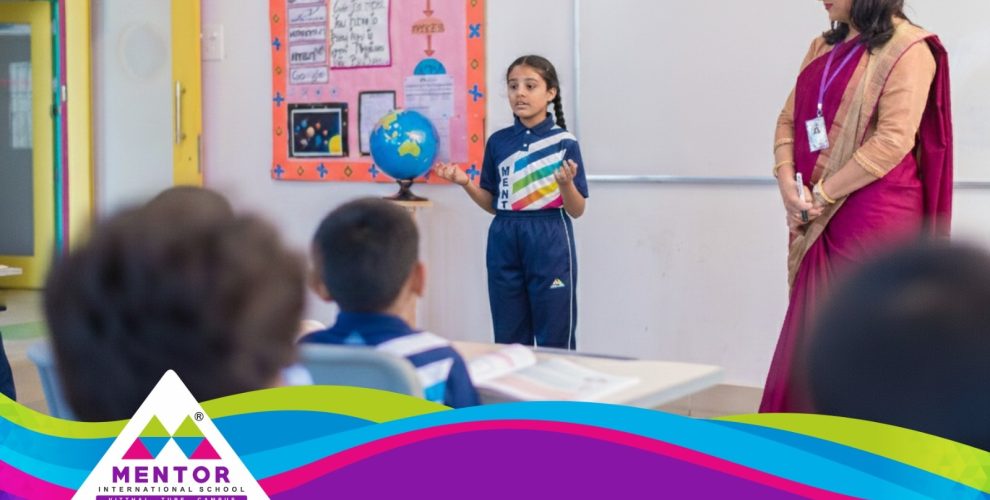
- Regular presentations, even in primary classes (show‑and‑tell, book talks)
- Group discussions where everyone gets a turn
- Debates on age‑appropriate topics
- “Think–pair–share” before whole‑class answers
- Teachers modeling good listening
3. Critical Thinking: Questioning, Not Just Accepting
Why It Matters
We live in an information‑heavy world. If students don’t learn to think critically, they may:
- Believe anything they see online
- Get easily misled
- Repeat information without checking it
Critical thinking means:
- Asking “Why?” and “How do we know?”
- Spotting bias or missing information
- Comparing multiple sources
- Making reasoned conclusions
What It Looks Like in School
- Asking: “Do you agree or disagree? Why?”
- Comparing two sources on the same topic
- Analysing ads and headlines: “What is this trying to make you feel or do?”
- “What’s wrong with this?” questions, not just “What is right?”
4. Problem‑Solving: Turning Challenges into Tasks
Why It Matters
Life is a series of problems. Students who haven’t practiced problem‑solving often:
- Panic or give up
- Blame others
- Wait for someone to fix it
Problem‑solving includes:
- Defining the problem clearly
- Brainstorming possible solutions
- Evaluating pros and cons
- Trying one solution, then adjusting
What It Looks Like in School
- Real‑world projects: reducing waste, improving a school process
- Open‑ended questions in maths and science
- Teachers asking, “What could you try next?” instead of giving the answer
- Group challenges where students must design a solution together
5. Time Management and Self‑Discipline
Why It Matters
Many students struggle not because they’re incapable, but because they:
- Start late
- Get distracted
- Underestimate how long tasks take
Time management is about:
- Knowing what matters
- Planning realistically
- Taking small steps consistently
What It Looks Like in School
- Breaking big projects into smaller deadlines
- Using simple planners or timetables
- Talking about “urgent vs important”
- Expecting focused work time with limited distractions
6. Collaboration and Teamwork
Why It Matters
Very few real‑world jobs are done alone. Students who never learn to work in teams may:
- Avoid group work
- Struggle to compromise
- Either dominate or withdraw
Collaboration includes listening, sharing responsibilities, resolving differences, and respecting diverse strengths.
What It Looks Like in School
- Group projects with clear roles
- Mixed‑ability groups
- Reflection after projects: “What worked in our teamwork?”
- Assessment that values both group outcome and individual contribution
7. Digital Literacy and Online Safety
Why It Matters
Students are comfortable with devices, but that doesn’t mean they’re safe or wise online.
Digital literacy includes:
- Spotting fake or biased information
- Protecting privacy
- Behaving respectfully online
- Managing screen time
What It Looks Like in School
- Lessons on evaluating websites and sources
- Discussions on sharing responsibly
- Clear rules on device use in school
- Using tech for creation (coding, presentations), not just consumption
8. Financial Basics: Money Sense for Young Minds
Why It Matters
Most adults wish they’d learned about money earlier. Students need to know:
- The basics of earning, saving, and spending
- How interest, EMIs, and loans work in principle
- The difference between needs and wants
What It Looks Like in School
- Math examples using simple budgets and saving goals
- Mock markets or “classroom economies”
- Projects where students plan an event within a budget
9. Resilience and Growth Mindset
Why It Matters
No life is free of failure. The key question is: “What do I do after I fall?”
Resilience is the ability to recover. Growth mindset is the belief “I can improve with effort and better strategies.”
What It Looks Like in School
- Teachers saying, “Mistakes are part of learning.”
- Sharing stories of struggle behind success
- Allowing corrections and re‑attempts in some work
- Praising effort, strategy, and persistence—not just marks
10. Values, Ethics, and Citizenship
Why It Matters
Success without values can be dangerous. Students must learn:
- Honesty, respect, responsibility
- Empathy and inclusion
- Care for the community and environment
What It Looks Like in School
- Value‑based assemblies
- Discussions about real ethical dilemmas (copying, bullying, cheating)
- Community service or outreach projects
- Celebrating diversity with understanding
How Mentor International School (CBSE, Hadapsar) Actually Builds These Life Skills
Many schools talk about “Holistic development.” Mentor International School in Hadapsar, Pune, has turned it into daily practice by weaving life skills into academics, co‑curriculars, and school culture.
Here is how the 10 skills above are intentionally nurtured on campus:
1. Emotional Intelligence in Daily Routines
- Circle time and check‑ins, especially in junior classes, where children can share how they’re feeling and what’s on their mind.
- Age‑appropriate life‑skills sessions on handling anger, jealousy, disappointment, and peer pressure.
- Access to supportive adults and counselling when students need emotional help.
- Teachers trained to use emotion‑aware language, helping students name and manage their feelings instead of suppressing them.
2. Communication Skills Through Constant Practice
- Regular speaking opportunities: class assemblies, show‑and‑tell, news reading, and project presentations.
- Pair and group work where every child gets a chance to speak, not just the most confident ones.
- Role‑plays and drama that let students practise dialogue, body language, and expression in a fun setting.
- Writing tasks aimed at real audiences—letters, notices, speeches, reflections—not just exam‑style answers.
3. Critical Thinking Through Concept‑Driven Curriculum
- Teaching that emphasises “why” and “how” instead of only “what.”
- Higher‑order questions: “What might happen if…?”, “Why do you think this solution worked?”
- Activities that require comparing different viewpoints and sources, even in middle school.
- Encouraging students to ask doubts freely and rewarding thoughtful questions.
4. Problem‑Solving via Projects and Challenges
- Interdisciplinary projects where students must identify a real problem (like waste, noise, water use) and propose solutions.
- STEM, science fairs, and robotics challenges where things rarely work perfectly the first time—teaching iteration and perseverance.
- Teachers guiding with prompts (“What else could we try?”) rather than immediately fixing things for students.
5. Time Management and Self‑Discipline Built Gradually
- Homework and project timelines designed to teach planning, not encourage last‑minute panic.
- Study‑skills guidance, especially for board classes, on how to break down revision and avoid cramming.
- Class routines that build consistency: regular reading time, weekly reflections, and scheduled assessments.
6. Collaboration as a Norm, Not an Exception
- Group tasks in academics, arts, and sports where students must divide roles and work towards a common goal.
- Post‑project reflections where groups discuss what they learned about teamwork, not just about the subject.
- Mixed groups so students experience working with peers of different abilities, interests, and personalities.
7. Digital Literacy and Safe Tech Use
- Guided use of computers, tablets, and smart boards for research, presentations, and creative work.
- Structured conversations about online behaviour, privacy, and the impact of social media.
- A balanced approach that protects time for books, handwriting, outdoor games, and person‑to‑person interaction.
8. Introducing Financial Basics in Age‑Appropriate Ways
- Math lessons that use examples of savings, discounts, and simple interest in everyday situations.
- Small budgeting activities—planning a class event, pretend shopping exercises, or mock markets.
- Early discussions on needs vs wants, gratitude, and mindful spending.
9. Resilience and Growth Mindset as Core Messages
- Celebrating improvement and persistence in assemblies and classrooms, not only top scores.
- Allowing safe failure in competitions, projects, and experiments, with emphasis on “What did we learn?”
- Teacher feedback that focuses on next steps and strategies, instead of labelling students as “good” or “weak.”
10. Values and Citizenship Embedded in School Culture
- Regular value‑themed activities—honesty week, kindness challenges, gratitude boards.
- Community‑oriented events such as cleanliness drives, awareness campaigns, and outreach programmes.
- Daily discipline handled with respect and explanation, so students understand why rules exist and how they protect everyone.
Real Stories: How Life Skills Show Up in Students’ Lives
Story 1: Aarav – From “I Can’t” to “I’ll Try Another Way”
Aarav, a Grade 7 student, struggled with maths and often told himself, “I can’t do this.” After growth‑mindset exercises and encouragement to add “yet” to that sentence (“I can’t do this yet”), he began breaking problems into smaller parts and trying at least one step before giving up. Over time, his marks improved, but more importantly his attitude shifted from fear to willingness to try.
Story 2: Meera – When Communication Changed Everything
Meera understood concepts but avoided speaking. Through small, regular speaking tasks—one‑minute talks, paired presentations, and simple stage roles—she gradually found her voice. By Grade 10, she was leading parts of group presentations. The difference came from structured practice, not a sudden personality change.
Story 3: Yash and the Group Project That Almost Failed
In an eco‑campaign project, Yash’s group initially clashed and made no progress. A guided teamwork process—everyone speaking in turn, summarising each other’s ideas, and agreeing on a combined plan—turned the mess into a successful campaign with posters, a video, and a pledge wall. Yash learned that leading means listening and combining strengths, not controlling everything.
Common Parent Questions About Life Skills
“Will focusing on life skills reduce my child’s academic performance?”
When done well, life‑skills education supports academics:
- Better emotional skills = lower stress and better focus.
- Better time management = more effective study.
- Better communication = more questions asked and doubts cleared.
Students who manage themselves well almost always perform better academically than those who only cram.
“Isn’t it the family’s job to teach life skills?”
Family is crucial, but school is where children:
- Spend much of their day.
- Face peer dynamics, deadlines, and projects.
- Encounter diverse viewpoints and challenges.
When home and school send the same message, life skills grow stronger and more consistent.
“Is it too late for my older child?”
It’s never too late. In fact, from Grade 8 onward, the need is greatest:
- Board exams increase pressure.
- Social and digital worlds expand.
- Students make more independent decisions.
Even small gains in planning, stress management, and communication can make a big difference in higher classes.
How Mentor International School Involves Parents
- Parent workshops on study habits, emotional health, and digital safety.
- Home extensions of school activities (gratitude journals, simple budgeting tasks, tech rules).
- Open communication, where teachers share not only marks but also observations on effort, teamwork, and behaviour.
- Celebrating diverse achievements, so parents see that improvement, kindness, creativity, and leadership are valued alongside high scores.
Conclusion: Preparing Children for Life, Not Just Exams
When we look back at our own school days, we rarely remember individual test scores. We remember:
- A teacher who believed in us
- A project that excited us
- A failure that taught us something
- A friendship that changed us
Our children, too, deserve an education that goes beyond formulas and facts.
They deserve:
- Emotional strength to handle ups and downs
- Communication skills to express themselves
- Critical thinking to navigate a complex world
- Problem‑solving skills to face challenges
- Time management to use their days well
- Teamwork skills to work with others
- Digital wisdom to stay safe and focused
- Financial awareness to make smart choices
- Resilience to grow from setbacks
- Values to guide every decision
A school that intentionally develops these life skills is not just preparing students for the next exam; it is preparing them for the next decade and beyond.the school has introdused leadership program, fianancial literacy, assymetrical library and school cinema for same.
Mentor International School, Hadapsar, as a CBSE school committed to Holistic growth, works to ensure that every child who walks out of its gates doesn’t only carry a strong mark sheet—but also the mindset, skills, and character to thrive in real life.
Because in the end, the greatest report card is not on paper; it’s the kind of person your child becomes.
